
Introduction
Protein is one of the three macronutrients essential for human life, alongside carbohydrates and fats. It plays a critical role in building and repairing tissues, producing enzymes and hormones, and supporting overall health. From athletes aiming to build muscle to individuals simply seeking a balanced diet, protein is a vital nutrient that everyone needs.
This guide explores what protein is, its types, benefits, dietary sources, and how much you need for optimal health.

About Joint Health, Collagen & Recogen®
Recogen® is a new generation of joint support — made with bioactive collagen peptides, proven by clinical studies and designed to restore mobility with clarity and care.
What is Protein?
Proteins are large, complex molecules made up of amino acids, which are often referred to as the “building blocks” of the body. There are 20 amino acids in total, nine of which are essential because the body cannot produce them and must obtain them from food.
Proteins serve many functions in the body:
- Muscle and tissue repair – Helps heal injuries and build muscle after exercise.
- Enzymes and hormones – Many enzymes and hormones are made of protein.
- Immune function – Proteins are crucial for antibodies that protect against infections.
- Energy source – When carbohydrates and fats are low, protein can be used for energy.
Types of Protein
- Complete Proteins
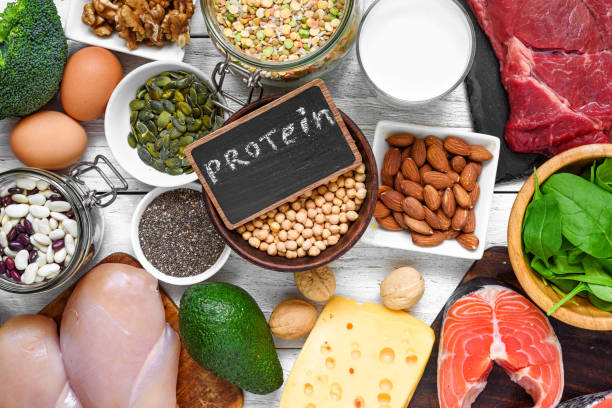
Complete proteins contain all nine essential amino acids. They are typically found in animal-based foods such as:
- Meat, poultry, and fish
- Eggs
- Dairy products (milk, cheese, yogurt)
Certain plant-based foods are also complete proteins, including quinoa, soy, and buckwheat.
- Incomplete Proteins
Incomplete proteins lack one or more essential amino acids. Most plant-based foods fall into this category, such as:
- Nuts and seeds
- Beans and lentils
- Rice and grains
By combining different plant-based sources, such as rice and beans, you can create a complete protein profile.
Benefits of Protein
- Muscle Growth and Repair
Protein is essential for muscle protein synthesis, helping to build and repair muscles after exercise. This makes it particularly important for athletes, bodybuilders, and anyone engaged in regular physical activity.
- Weight Management
High-protein diets increase satiety, helping to reduce overall calorie intake. Protein also requires more energy to digest than carbohydrates or fat, which can slightly increase metabolism.
- Bone and Skin Health
Proteins like collagen support healthy bones, skin, hair, and nails, reducing the risk of injuries and maintaining structural integrity.
- Overall Body Function
Proteins play a role in producing hormones, enzymes, and immune molecules, supporting overall health and bodily functions.
Dietary Sources of Protein
| Source | Type | Protein per 100g |
| Chicken breast | Animal | 31g |
| Eggs | Animal | 13g |
| Greek yogurt | Animal | 10g |
| Lentils | Plant | 9g |
| Tofu | Plant | 8g |
| Quinoa | Plant | 4g |
Protein supplements, such as whey protein, casein protein, and plant-based protein powders, are also convenient options for those with higher protein needs or a busy lifestyle.
How Much Protein Do You Need?
Protein requirements vary depending on age, activity level, and health goals:
- Sedentary adults: ~0.8 g per kg of body weight per day
- Active adults/athletes: 1.2–2.0 g per kg per day
- Older adults: 1.0–1.2 g per kg per day (to maintain muscle mass)
For example, a 70 kg moderately active adult may need 84–140 grams of protein daily.
Conclusion
Protein is a fundamental nutrient essential for growth, repair, and overall health. By consuming a variety of protein sources—from meat and dairy to legumes and nuts—you can meet your body’s needs and support muscle growth, weight management, and overall wellness.
Whether through whole foods or protein supplements, maintaining adequate protein intake is key for a healthy, active lifestyle.